Namibia sees wildlife recovery through collaboration
Conservation achievements in Namibia demonstrate that wildlife recovery is attainable, driven by collaborative efforts involving local communities, conservancies, private landowners, governmental bodies, and environmental organizations working together to support stewardship and maintain interconnected habitats.
This insight aligns with the global launch of the 2026 Living Planet Report, WWF’s full evaluation of worldwide biodiversity status.
Global Biodiversity Stresses
The Living Planet Index reveals that populations of monitored mammals, birds, fish, reptiles, and amphibians have fallen by an average of 73% from 1970 to 2022.
The assessment further indicates species are vanishing at rates surpassing 100 times the natural pre-human extinction pace, showing the critical need to halt and reverse biodiversity decline.
Conservation Success Cases
Nevertheless, the report conveys optimism: conservation initiatives prove effective. Around half of the tracked wildlife populations remain stable or are growing, confirming that sustained efforts enable species and ecosystems to rebound.
Examples cited include tiger recovery in Asia and the resurgence of bluefin tuna, alongside stable or expanding southern African elephant herds in regions where local communities contribute significantly to conservation.
Namibia’s role in the global report features southern African elephants within the Kavango-Zambezi Transfrontier Conservation Area, where community-led protection and habitat connectivity have supported stable or increasing elephant numbers.
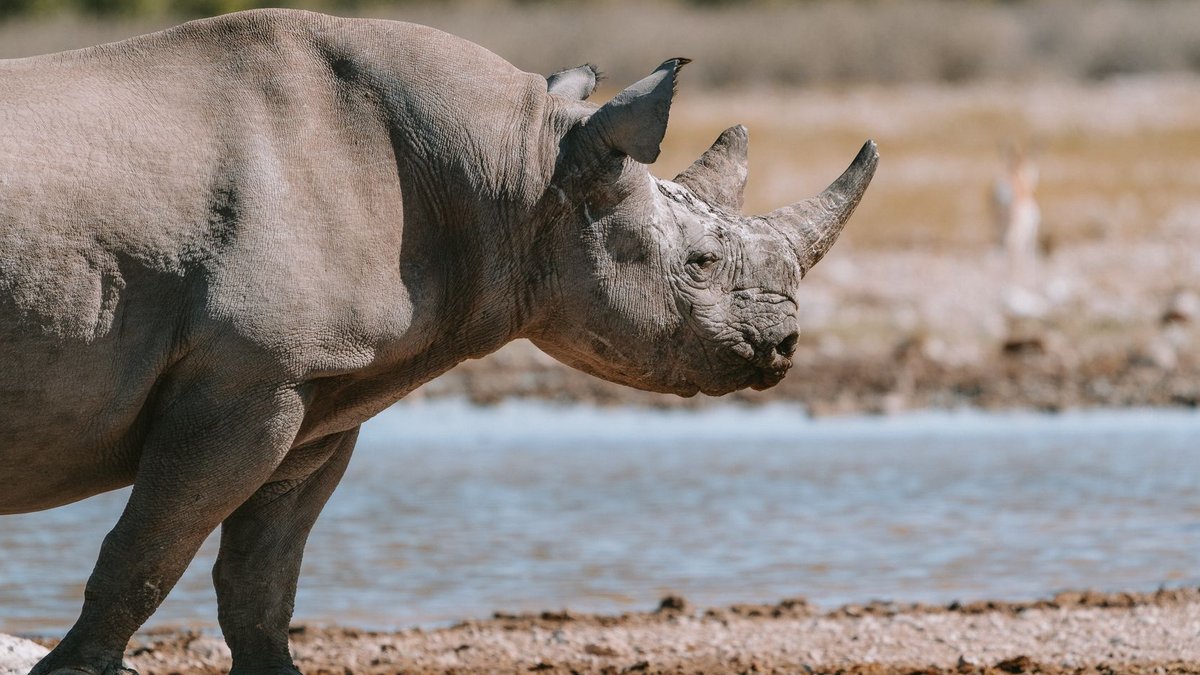
Locally, Namibia exemplifies the power of partnership in conservation, with black rhino protection standing as a prime example. The nation recorded 43 rhinos poached in 2025, a reduction from 91 in 2024, marking a drop exceeding 50%.
Initial 2026 data suggest this positive trend persists, reflecting coordinated actions by communities, conservancies, private guardians, anti-poaching units, governmental agencies, and conservation allies pursuing a common objective.
WWF Namibia is spotlighting three narratives illustrating diverse elements of the country’s conservation journey, including the role of wildlife corridors, conservancies, transboundary conservation at scale, and community stewardship in maintaining connected environments.
Namibia’s path demonstrates that biodiversity decline is not predetermined. When communities benefit, environments remain connected, and partnerships endure, recovery is possible. At a time when the world is searching for conservation solutions, this is a lesson worth sharing.


