High-pressure gear pumps and lube oil pumps for industrial efficiency
In many industrial settings, the smooth operation of heavy machinery depends entirely on the reliable movement of fluids. When equipment relies on precise lubrication to prevent friction-induced failure, or when hydraulic power must be generated with high consistency, the components responsible for fluid movement take on a critical role. A common challenge for plant managers and maintenance engineers is ensuring that these systems operate without unexpected interruptions, as even a minor fluctuation in fluid pressure can impact the performance of connected assemblies.
Challenges in maintaining consistent fluid pressure in heavy machinery
Achieving and maintaining steady pressure is often complicated by environmental and operational factors. In many cases, machines are subjected to variable loads that can cause the demand for lubrication or hydraulic force to shift rapidly. If the pumping system is not capable of responding to these shifts smoothly, the result is often premature wear on internal components.
A frequent oversight involves the accumulation of debris or particulate matter within the fluid lines. Even in systems designed for robustness, small amounts of contamination can interfere with the tight tolerances inside a pump. Furthermore, the viscosity of the oil often changes based on temperature; if a system operates in an environment where ambient temperatures vary significantly, the pump may have to compensate for fluid that is either too thick or too thin to maintain optimal flow. Understanding these variables is key to setting realistic expectations for how long a system can run before it requires professional inspection or service.
How high-pressure gear pumps generally function
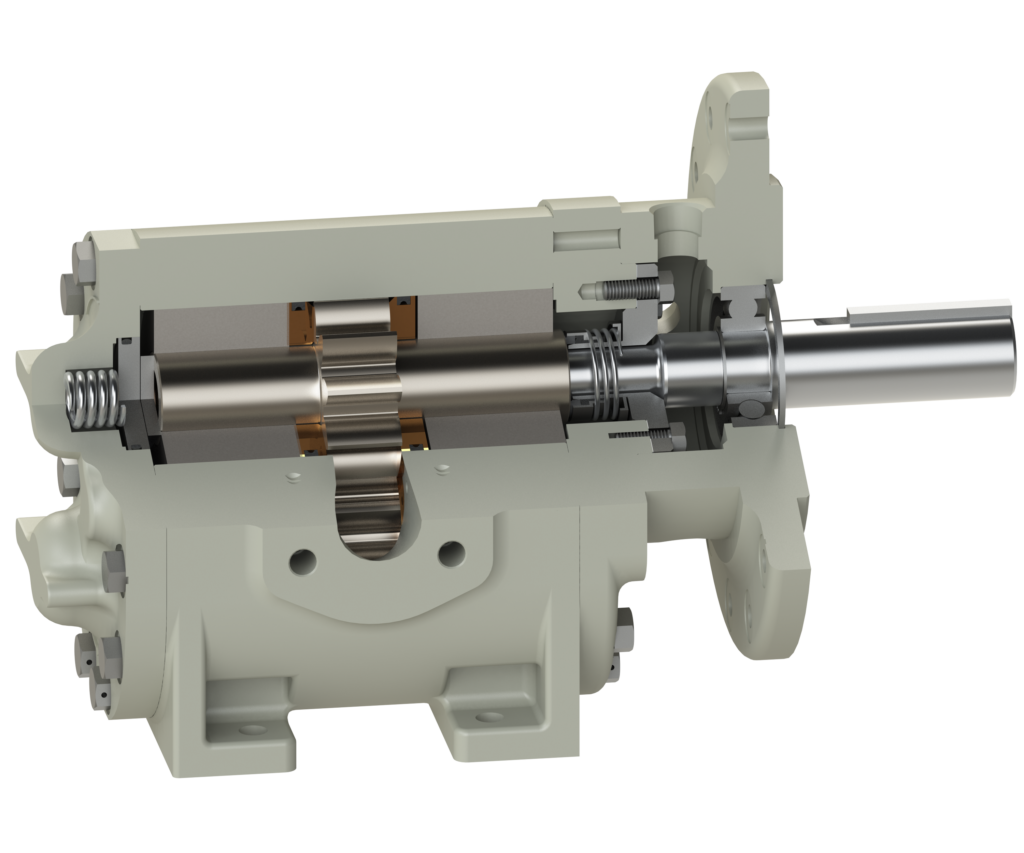
The fundamental design of a high pressure gear pump relies on the meshing of internal gears to move fluid from the inlet to the outlet. As the gears rotate, fluid is trapped in the gaps between the gear teeth and the pump housing, moving steadily toward the discharge port. Because the design is relatively straightforward, these pumps are often favored for their reliability in tasks that require a continuous, non-pulsing flow.
In high-pressure applications, the tolerances between the gears and the casing are intentionally very tight. This design minimizes internal leakage, allowing the pump to build up significant pressure with efficiency. When these units are integrated into a hydraulic circuit, they essentially convert mechanical energy into fluid energy, providing the force necessary to actuate valves, move cylinders, or maintain high-pressure lubrication layers within a large motor or gearbox. Because the moving parts are typically bathed in the fluid they are pumping, the system is often self-lubricating, provided the fluid remains clean and free of abrasive contaminants.
Key factors that influence the performance and longevity of lube oil pumps
The longevity of a lube oil pump is rarely determined by a single event; instead, it is usually the result of how well the component handles its operating environment over time. Several factors shape the overall success of the installation:
- Fluid quality: The presence of dirt, metal shavings, or moisture in the oil can accelerate wear on gear teeth and side plates. Filtration systems that are well-maintained are essential for extending the life of the pump.
- System alignment: If the pump is not perfectly aligned with the drive motor, the resulting mechanical stress can damage shafts and seals. Proper mounting and the use of flexible couplings are common ways to mitigate this risk.
- Temperature management: Operating a pump outside of its intended temperature range can degrade the oil and cause the internal metal components to expand or contract in ways that reduce efficiency.
- Pressure limits: While these pumps are designed for high-pressure work, operating consistently at the very limit of the manufacturer’s design specifications often leads to a shorter functional life compared to systems that operate with a comfortable margin of overhead.
Practical ways to approach system maintenance and optimization
For those responsible for maintaining machinery, the goal is typically to shift from reactive repairs to a more structured, proactive approach. A sensible starting point is to establish a routine inspection schedule that looks beyond just checking fluid levels.
Questions for evaluating system health
When consulting with technicians or preparing for a system audit, consider asking the following:
- What are the typical operating temperatures for this system, and how do they impact the viscosity requirements of the oil?
- How can we improve current filtration processes to better protect the internal gear surfaces?
- Are there common vibration patterns or noise indicators that suggest the pump is struggling to maintain its pressure threshold?
- What is the recommended interval for checking seals and gaskets, given the specific operating duty cycle of this machine?
Effective management of these systems often involves paying close attention to the small details that precede a major failure. A pump that begins to emit a different sound, or a system that shows a slight increase in operating temperature, may be providing early warning signs of internal wear. Taking action when these subtle changes occur—rather than waiting for a complete pressure loss—can often save significant time and help avoid a sudden operational halt.
Consistent record-keeping can also play a vital role in identifying trends. By logging maintenance activities and noting any performance irregularities over several months, an engineer can often determine if a pump is nearing the end of its useful life or if a change in fluid specifications might improve its current output. Approaching fluid systems with this level of diligence helps ensure that machines remain productive and that maintenance costs are managed sensibly over the long term.

SME Short-Term Borrowing Dependency Reaches Dangerous Levels


