Globalization isn’t ending just evolving says Eswaran
Global trade hit a record $33 trillion in 2024, up 3.7% from the previous year. The data, provided by UN Trade and Development, contrasts with years of warnings about deglobalization and broken supply chains.
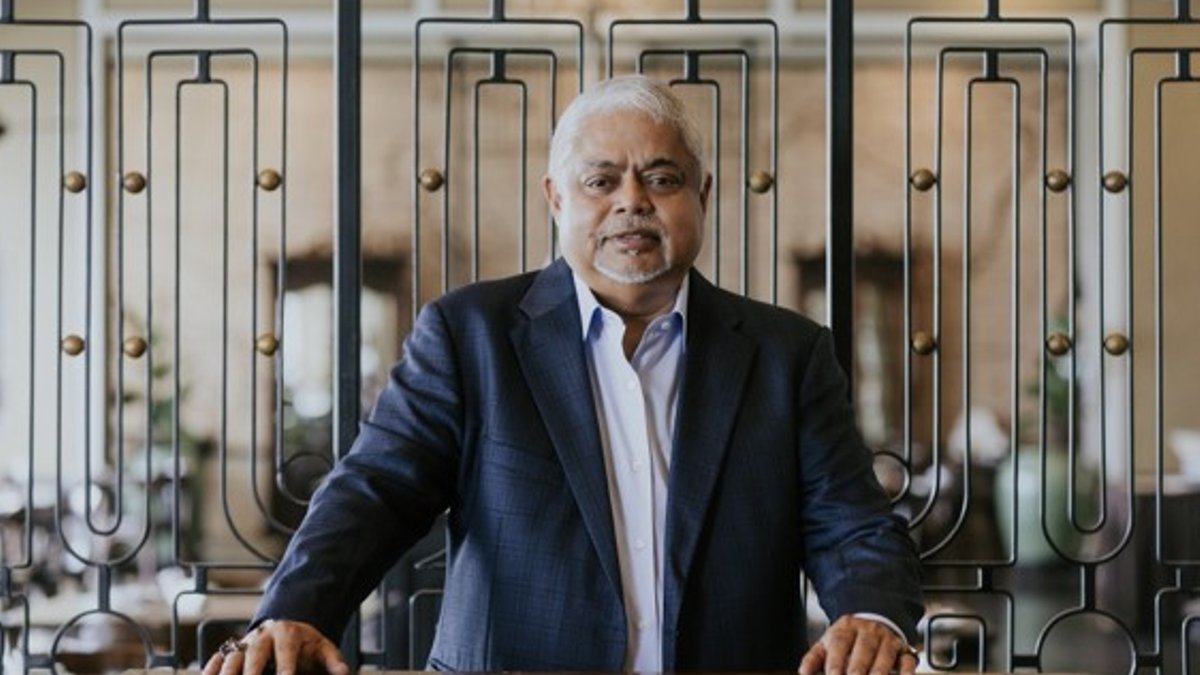
Vijay Eswaran, executive chairman of the QI Group, says the change reflects a redesign rather than a collapse. In an analysis shared through the World Economic Forum, he explains that recent pressures mark an evolution of the system, not its end.
Efficiency gave way to resilience
The previous model of globalization focused on minimizing costs above all else. Production moved to the cheapest locations, and capital flowed instantly. The approach worked until it didn’t.
A pandemic, rising tariffs, climate-related disruptions, and geopolitical tensions upended the system. Shipping container costs jumped 40% in 2025. Tariff hikes redirected over $400 billion in trade flows. The stability the old model depended on disappeared.
Eswaran argues the new system isn’t abandoning global commerce but improving it. “While the old model of globalization was built to maximize efficiency, the emerging one must be built to maximize resilience,” he states. About three in four business leaders now view resilience investments as a way to drive growth, according to the World Economic Forum—a clear departure from the just-in-time era.
The change isn’t just corporate strategy. Companies are spreading trade flows across multiple regions to reduce risk. The approach isn’t about isolation but flexibility.
Regions as the new architecture
Eswaran describes regional trade blocs as the foundation for deeper integration rather than barriers. The World Trade Organization reports 381 regional trade agreements in effect as of March 2026. One major agreement includes 15 countries, accounting for 30% of global GDP and a third of the world’s population.
ASEAN’s proposed Digital Economy Framework Agreement seeks to unify rules on data flows, e-commerce, cybersecurity, and digital payments. The bloc’s digital economy could reach $2 trillion by 2030, its secretary-general says.
Related: UAE SMEs receive new funding boost
“Regions create the conditions under which trade, talent, capital, and innovation can move with greater confidence,” Eswaran notes. Data supports this view. Research from UNCTAD shows firms are distributing trade flows across regions rather than retreating.
The shift isn’t about replacing globalization. It’s about adapting it. The old model assumed stability; the new one expects disruption. Trade will continue, but in a different form.
The changes have tangible effects. A 10% improvement in border automation and customs cooperation could increase global goods exports by up to 18%, according to OECD analysis. Project Nexus, led by the Bank for International Settlements, is developing infrastructure to link instant payment systems worldwide, targeting cross-border settlements in under 60 seconds.
Technology alone won’t solve the challenges. Eswaran highlights trust as the missing element. “In an uncertain world, trust is part of the economic system,” he writes. “Dialogue is a practical tool for solving problems.”
The 2024 trade figures show the transition is already underway. The next phase of globalization won’t be shaped by markets or technology alone, Eswaran says, but by leaders willing to build systems that are resilient, cooperative, and humane.
For workers in manufacturing centers like Vietnam or Mexico, this shift could mean more stable employment—but also more competition as companies spread operations across regions. The old predictability of supply chains is gone. What replaces it is trade that’s more adaptable.
Eswaran’s conclusion offers no room for nostalgia. The era of hyper-efficient, hyper-globalized commerce has ended. What follows will be more complex, more regional, and—if the numbers hold—more sustainable.
Businesses adjusting to these changes may find new opportunities in enterprise security investment, as digital risks grow alongside expanded trade networks.

Leadership Shift Drives Enterprise Security Investment


