Smart meters ease energy costs for UK micro-businesses
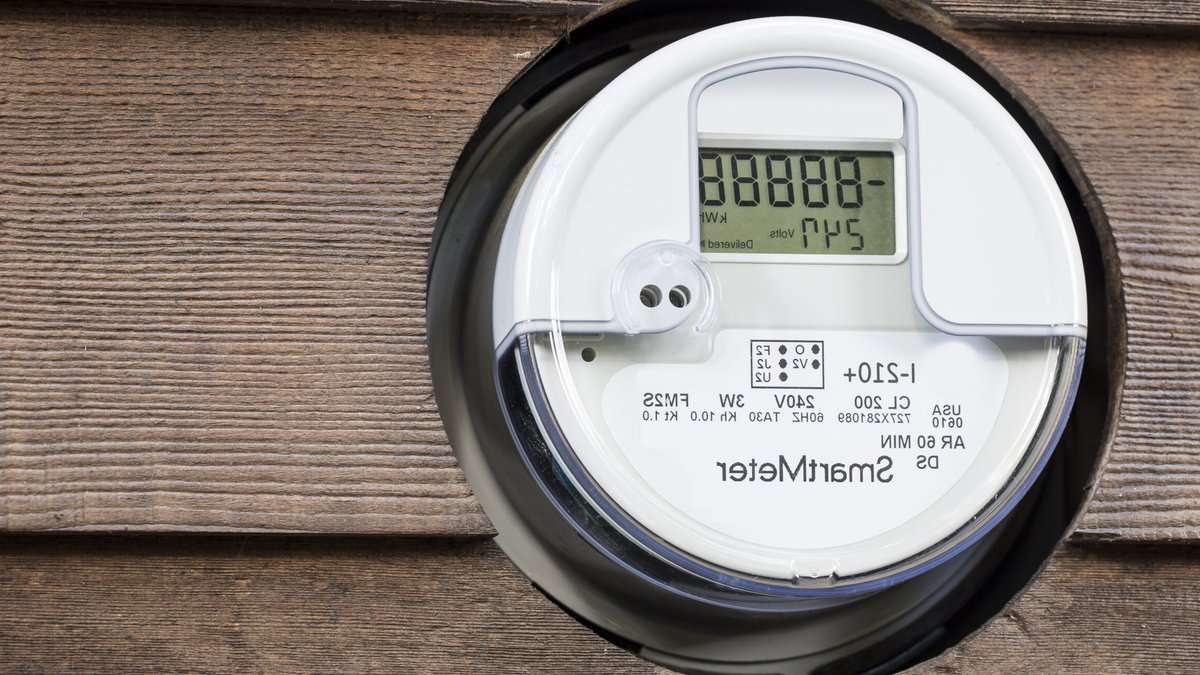
UK small businesses continue to grapple with energy cost instability, with nine out of ten owners ranking energy management as essential to maintaining financial stability. Smart meters are increasingly recognized as a vital solution for micro-businesses—those employing between one and nine staff, excluding sole proprietors—offering three primary benefits that directly address these pressures.
Automated billing eliminates manual errors
One of the most immediate advantages of smart meters is their ability to transmit consumption data automatically to energy providers. This removes the need for manual readings, which were previously a common source of billing inaccuracies. As a result, businesses pay only for the energy they actually use, rather than facing disputes over estimated readings. Government figures from June 2026 show that more than 42 million smart meters have been installed across Great Britain, serving both residential and commercial properties.
For small business owners already stretched thin by administrative burdens, this automation translates to significant time savings. A survey of 500 micro-business owners, conducted among employers of one to nine staff, revealed that managing energy expenses ranked among their highest operational concerns. By eliminating the need for manual meter readings, smart meters directly reduce one of the most time-consuming aspects of financial management.
Data-driven energy optimization
The real-time consumption tracking provided by smart meters extends beyond billing accuracy. Many models include an In-Home Display (IHD), which breaks down energy usage by daily, weekly, and monthly intervals. Even without an IHD, suppliers offer free digital access to this data through mobile apps or web portals. This level of granularity allows businesses to pinpoint periods of peak demand and adjust operations accordingly.
For instance, scheduling energy-intensive tasks, such as manufacturing runs or large-scale equipment use, during off-peak hours can yield immediate cost reductions. While solutions like LED lighting upgrades or solar panel installations provide environmental benefits, smart meters offer a more wide-ranging approach by identifying inefficiencies that might otherwise go unnoticed. Small businesses, which often lack dedicated energy monitoring resources, gain access to continuous insights without requiring additional hardware or software investments.
Supporting national energy goals
Smart meters also play a broader role in improving the efficiency of the UK’s energy grid. The real-time data they provide helps suppliers balance supply and demand more effectively, reducing the need for fossil fuel-based peak energy generation. This alignment with the country’s Net Zero targets by 2050 is a secondary but critical benefit of widespread adoption.
Installation is designed to be minimal disruption, typically completed within two hours and often at no upfront cost for eligible small businesses. The program covers operations based in domestic or rented properties, provided the business is responsible for paying energy bills. Access to consumption data remains free, regardless of whether the meter itself is provided without charge.
Eligibility and next steps
Any small business employing fewer than ten people can request a smart meter, including those operating from home offices or leased commercial spaces. The process begins with contacting an energy supplier, who will arrange installation at a mutually convenient date. No specialized equipment or technical expertise is required on the part of the business, as suppliers handle the entire setup.


