COP31 Hosts Climate Talks in Turkey
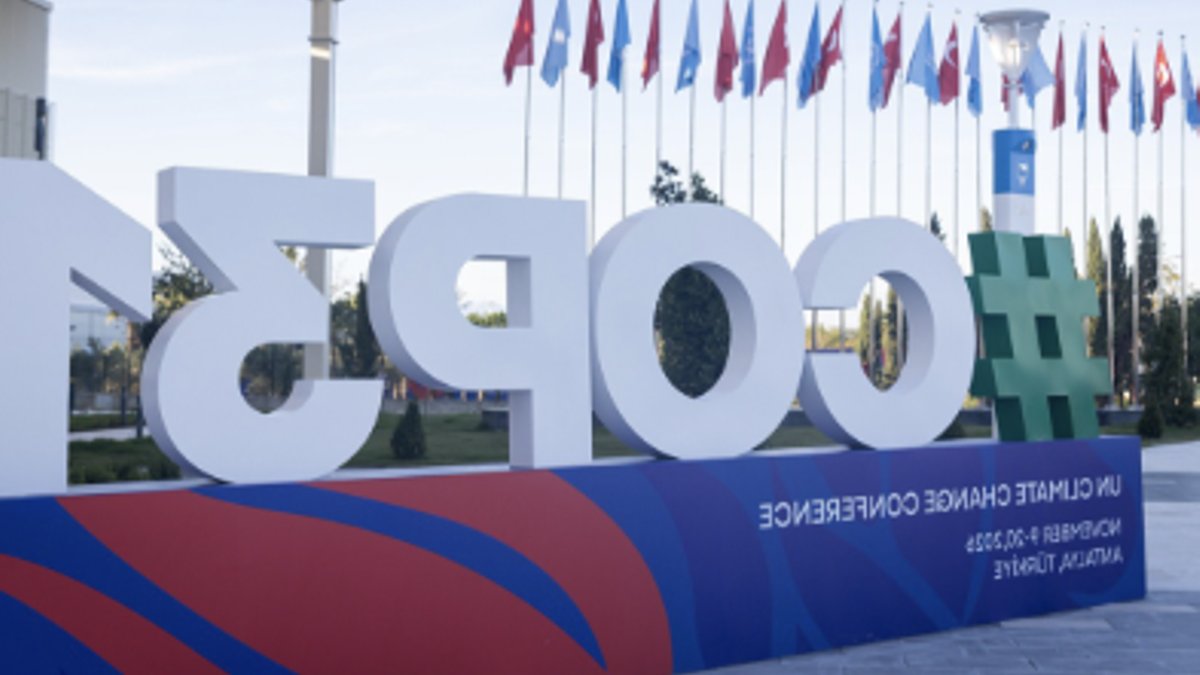
On November 9, Antalya, Turkey, hosts the opening of COP31, a two-week climate summit where governments gather to negotiate amid global tensions and uncertainty about collaborative efforts. The 31st UN Climate Change Conference, concluding on November 20, aims to expedite the shift to clean energy, lessen reliance on fossil fuels, and transform financial pledges into tangible support for climate initiatives.
Joint Leadership at COP31
COP31 features a unique leadership structure, with Turkey as the official host and president, while Australia assumes the role of negotiations president. Turkey manages the action agenda and decision adoption, whereas Australia leads negotiations and draft text development. This arrangement merges Turkey’s priorities with Australian and Pacific perspectives, highlighted by preparatory meetings in Fiji and Tuvalu, which prioritized the concerns of vulnerable island nations. Success hinges on translating these perspectives into actionable agreements, avoiding fragmentation from competing diplomatic interests.
The U.S. withdrawal from the Paris Agreement, effective January 27, 2026, has shifted the global climate diplomacy environment. Initiated by President Donald Trump, this move weakened the international framework for combating global warming. Despite this, the agreement remains intact, and other nations’ commitments persist. In Antalya, the key question is whether remaining parties can sustain cooperation and prove climate action remains viable without U.S. federal leadership. European negotiators now bear greater responsibility in discussions on financing and international climate cooperation rules.
Electrification and Fossil Fuel Transition
The energy transition is set to dominate discussions at COP31. A draft pledge from the presidency proposes raising electricity’s share of global energy demand from 23% to 35% by 2035. However, electrification must be paired with consideration of energy sources, as expanding electricity use and phasing out fossil fuels are interconnected goals, not interchangeable metrics. Negotiators will also revisit progress on the fossil fuel transition agreed in Dubai in 2023. Brazil’s voluntary roadmap, published after COP30, will be discussed as part of these efforts.
Climate Finance and Implementation Challenges
At COP31, the focus is on implementation: ensuring financial commitments translate into accessible resources for countries addressing climate change. At COP29, developed nations pledged to mobilize at least $300 billion annually for developing countries by 2035, with a broader goal of scaling financing to $1.3 trillion annually from all sources by the same year.
Discussions in Antalya will address delivery, adaptation, loss and damage, and the Just Transition Mechanism agreed at COP30. These issues link emissions reductions with support for communities already impacted by climate change. Access to funds is as critical as the total amounts pledged. European regional and local authorities advocate for simpler procedures, predictable funding, and clearer tracking of resources reaching local levels.
EU Focus on Implementation Over New Pledges
The EU enters COP31 emphasizing faster implementation and stronger energy-transition cooperation but has ruled out new financing pledges, according to EFE reports. This stance explains expectations of limited new commitments. However, the EU remains committed to its existing goals, with the European Commission affirming progress toward its 2030 emissions target and climate neutrality by 2050.


